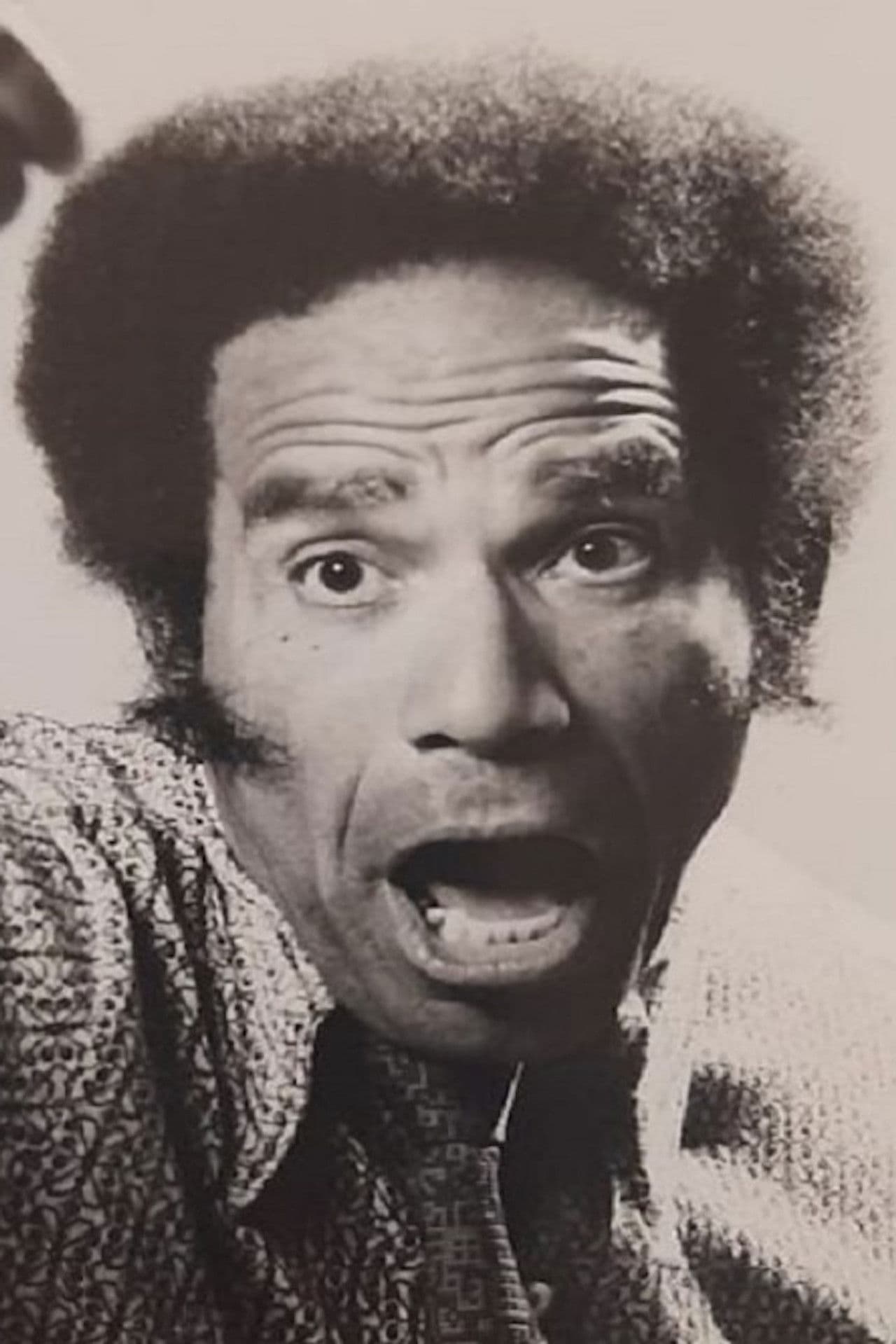
Manuel Zapata Olivella
BIOGRAPHY
Manuel Zapata Olivella (1920–2004) was a Colombian novelist, anthropologist, physician, and one of the most important Afro-Colombian intellectuals of the 20th century. Born in Lorica, in Colombia’s Caribbean region, he grew up in a family deeply engaged with education and culture, which shaped his lifelong commitment to social justice and cultural research. Trained as a medical doctor, Zapata Olivella combined his scientific background with literature and anthropology to study the histories, traditions, and struggles of African-descended peoples in Colombia and across the Americas.
He is best known for his novels and essays that foreground Afro-Colombian identity, racism, and resistance. His most celebrated novel, "Changó, el gran putas" (1983), is an ambitious, epic work that traces the African diaspora from slavery to modern times, blending history, myth, and political critique. Throughout his career, he sought to recover marginalized voices and challenge Eurocentric narratives in Latin American culture.
In addition to fiction, Zapata Olivella conducted extensive fieldwork, founded cultural organizations, and promoted Black literature and folklore. His interdisciplinary legacy—spanning literature, anthropology, and activism—has made him a foundational figure in Afro-Latin American studies and Colombian cultural history.
Known For
Acting
Gender
Male
Birthday
17 March 1920
Death Day
19 November 2004
MEDIA
FILMOGRAPHY

GOMOVIEINFO
Made with Love By Anonymous
This project uses the TMDB API but is not endorsed or certified by TMDB.